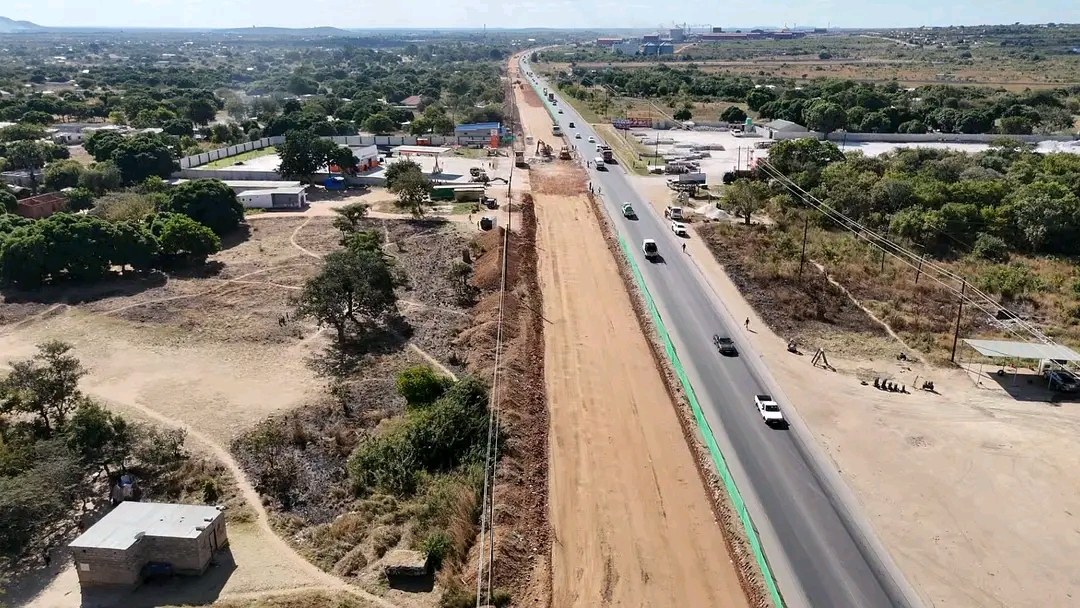
The National Pension Scheme Authority (NAPSA) has moved to correct what it calls misleading public claims about its role in financing the Lusaka–Ndola dual carriageway, insisting its US$300 million commitment was an independent investment decision rather than a government directive.
NAPSA Head of Corporate Affairs Cephas Sinyangwe said the project’s concessionaire approached the pension fund with a financing proposal as part of a broader US$650 million package for the road, one of Zambia’s largest current infrastructure undertakings. He said NAPSA subjected the proposal to its standard investment guidelines and only approved participation after being satisfied with the loan recovery mechanisms and collateral arrangements attached to the deal.
Under the financing structure signed on March 26, 2024, NAPSA holds senior lender status on a 13-year facility carrying 9.5 percent annual interest, with a three-year construction moratorium followed by ten years of principal and interest repayment. The fund has received US$5.9 million in interest to date and expects the dollar-denominated facility — which protects against kwacha depreciation — to generate more than US$220 million in interest over its lifetime.
Sinyangwe also rejected suggestions that NAPSA should be handed direct control of toll gates to recover its investment, explaining that all toll revenue instead flows into an escrow account from which lenders are paid according to a pre-agreed order, with NAPSA first in line as senior lender. He described the toll-gate proposal as a misunderstanding of how project financing works, comparing it to expecting a bank to personally run a farm it has loaned money to.
The clarification follows public criticism from lawyer and former PF official Makebi Zulu, who alleged the road’s cost had been inflated and questioned why NAPSA — rather than a previously discussed Chinese loan — ended up financing the project. Former Finance Minister Situmbeko Musokotwane responded directly, arguing that China never actually disbursed a loan for the road because Zambia was already in default at the time under the previous administration, and that the PF’s own proposed financing plan would have cost more than double the current arrangement once interest was included.
