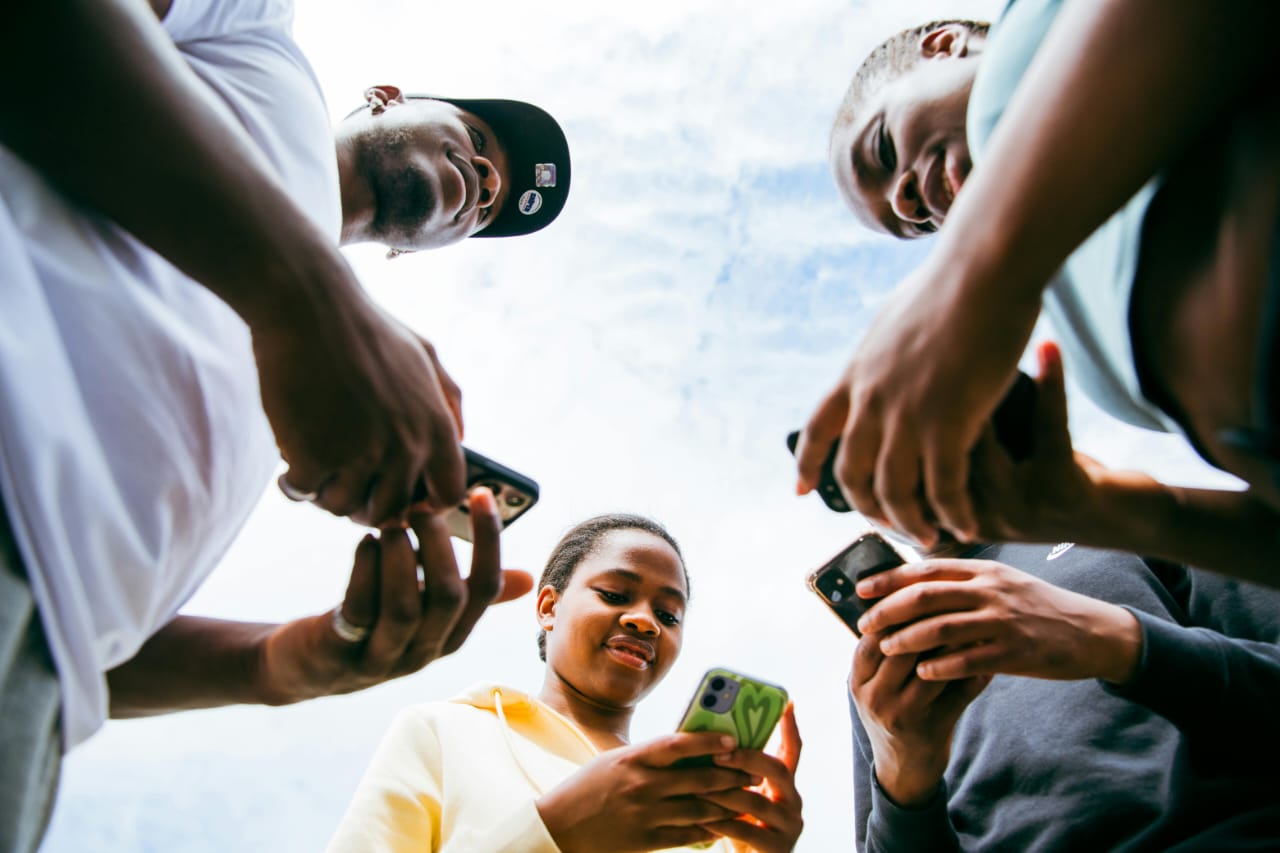
What started as a simple space to chat with friends has transformed human interaction into something far more powerful. In Zambia today, social media has begun to act like a shadow constitution. It dictates to young people what to wear, what to eat, which side hustles to launch, and even how to speak. While these digital platforms do not pass formal legislation, their algorithms, viral trends, and influencers have effectively become the law.
Social media, encompassing the digital networks and mobile applications that allow users to create, share, and exchange information is now in nearly every pocket. Driven by the proliferation of cheap smartphones and affordable data bundles, even school pupils carry the internet with them wherever they go. Statistics from the Zambia Information and Communications Technology Authority (ZICTA) reveal the scale of this digital explosion: mobile internet users in the country surged from 3 million in 2015 to over 12 million by 2023.
Consequently, the pressing question for Zambia is no longer if young people are online, but rather: if social media has become the new constitution, who is teaching our youth how to read and interpret it?
For many young Zambians, staying offline is no longer a viable choice. Mwiza Kaonga, a second-year law student, admits that digital platforms command most of her daily routine.
“I’m not heavily into social media by choice, but because most of my friends are, I have to keep myself updated on trending dances and phrases just to stay connected,” Mwiza explains. “In a way, I agree that social media controls about 90% of my life. As a student, I need to be online for my academics. If you go offline for just a day, you risk missing tests, quizzes, and vital assignments.”
For Mwiza and her peers, WhatsApp groups have replaced physical notice boards, and TikTok has become the language her social circle speaks.
This shift has raised concerns among community leaders. Pastor Samuel Mashikolo of Kabushi Baptist Church urges caution, arguing that young people must protect their autonomy.
“No one’s life should be dictated by what social media provides; their conscience should guide them instead,” Pastor Mashikolo advises. “Social media may push a narrative, but the ultimate action should come from one’s own willingness, not a forced compliance with digital laws.”
Yet, the digital era also frames social media as an indispensable utility. Many youth successfully leverage these platforms for job hunting, seeking scholarships, building global friendships, and discovering contemporary design trends.
Faides Chembo, a youth member of the Seventh-day Adventist Church, insists that she navigates these apps strictly on her own terms. “I control my life because it is mine. Therefore, I do not live it based on what I see on social media,” she says, proving that not all youth feel ruled by their screens.
Similarly, Santi Chipasha, an International Relations student, treats social media more like a shop window than a rulebook.
“My lifestyle is not really influenced by anyone else. Instead, I’m just motivated to work extra hard by the success content that influencers and other people post,” Santi notes. “I believe social media is often artificial because people mostly show off only the good parts. So, I take the ideas, but I don’t copy their lives.”
For Faides, social media is a tool that can easily be closed. For Santi, it is inspiration that she can take or leave. Meanwhile, for Mwiza and thousands of students like her, it remains a vital lifeline for academics, friendship, and staying relevant in the modern conversation.
As Zambia’s youth continue to negotiate life under this new digital constitution, one fundamental truth remains: algorithms may suggest the trend, but it is still up to the individual to decide whether to follow it blindly, or to write their own rules before the trend writes them first.
